
SOFT SKILLS FOR THE HARD SCIENCES: PREPARING FOR THE COLLEGE ALUMNI INTERVIEW
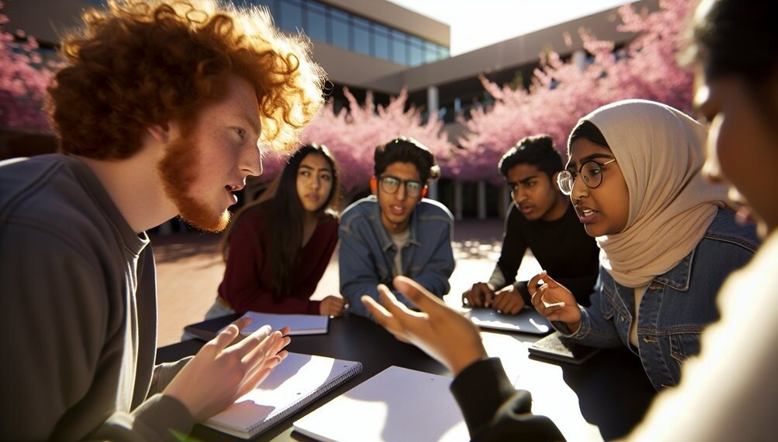
Soft skills are essential for yoursuccess in STEM fields, especially during college alumni interviews. Employersvalue strong communication, teamwork, and adaptability just as much astechnical skills. Recognizing your own soft skills and articulating themeffectively can set you apart from other candidates. Prepare to illustrate yourstrengths with personal stories that showcase your problem-solving abilitiesand collaboration experience. You'll find that mastering these skills cangreatly enhance your interview performance and overall career trajectory.There's much more to explore!
WHY SOFT SKILLS MATTER IN STEM FIELDS
In today’s fast-paced STEM fields,collaboration and communication are essential for success. You’ll find thatsoft skills, particularly emotional intelligence, play a vital role infostering effective interdisciplinary collaboration.
When you engage with diverse teams, yourability to understand and manage emotions—both yours and others'—becomesinvaluable. This skill helps you navigate complex interpersonal dynamics,ultimately enhancing creativity and problem-solving capabilities.
By honing your emotional intelligence,you not only improve team cohesion but also adapt to rapidly changingenvironments. Emphasizing soft skills in your toolkit empowers you to breakdown silos, encouraging innovative solutions that can propel your careerforward.
Essential Soft Skills for STEM Graduates That Employers Value
As a STEM graduate, mastering essentialsoft skills can set you apart in the job market.
Strong communication skills are vital forarticulating complex ideas, while teamwork and collaboration enable you tothrive in diverse environments.
Employers value these abilities just asmuch as technical expertise, so honing them can greatly enhance your careerprospects.
Communication Skills Importance
While technical expertise is essential inSTEM fields, effective communication skills often set successful graduatesapart in the job market. Strong verbal communication allows you to conveycomplex ideas clearly, while understanding nonverbal cues helps you connectwith your audience on a deeper level.
Employers appreciate candidates who canarticulate their thoughts and adapt their communication style to fit varioussituations.
- You'll foster collaboration andinspire confidence.
- You'll navigate challenges withease, reducing misunderstandings.
- You'll become a valued asset,enhancing workplace relationships.
Teamwork and Collaboration Benefits
Effective teamwork and collaboration cangreatly enhance your success in the workplace, especially in STEM fields whereprojects often require diverse expertise.
Employers value candidates who excel inteam dynamics, as collaborative projects can lead to innovative solutions andincreased productivity. When you embrace teamwork, you not only share ideas butalso learn from your peers, expanding your own skill set.
Being adaptable and open-minded helps younavigate different perspectives, fostering a more inclusive environment. Thisadaptability is essential when addressing complex challenges.
Ultimately, strong collaboration skillscan set you apart in interviews and make you a more attractive candidate. Bydemonstrating your ability to work well with others, you show that you’reprepared for the real-world demands of STEM careers.
Recognizing and Articulating Your Soft Skills
How can you effectively recognize andarticulate your soft skills during an alumni interview? Start by engaging inself-awareness development to understand your emotional intelligence.
Reflect on your experiences and identifythe skills that set you apart, such as moments when you collaboratedeffectively or supported peers in structured learning environments like online schools in Arizona where communication and teamwork are regularlypracticed through guided activities.
● Think about moments when yousuccessfully collaborated or resolved conflicts.
● Consider how you’ve adapted tochallenges and supported your peers.
● Recall instances where yourcommunication skills fostered understanding and connection.
TELLING YOUR SOFT SKILLS STORY IN INTERVIEWS
In interviews, your soft skills can setyou apart, so it’s essential to identify which ones are most relevant to theposition.
Crafting your personal narrative aroundthese skills will help you connect your experiences to the job.
Don’t forget to practice active listeningtechniques; they not only show your engagement but also enhance your ability torespond thoughtfully.
Identify Relevant Soft Skills
While maneuvering through the interviewprocess, it’s essential to identify and articulate the soft skills that set youapart as a candidate. Highlighting your emotional intelligence and adaptabilityskills can greatly enhance your appeal.
These skills not only demonstrate yourability to connect with others but also showcase your readiness to thrive indynamic environments.
● Empathy: Show how you understandand relate to diverse perspectives.
● Problem-solving: Illustrate yourability to navigate challenges creatively.
● Collaboration: Emphasize yourteamwork experiences and how you contribute to group success.
Craft Your Personal Narrative
Crafting your personal narrative is essentialfor effectively showcasing your soft skills during interviews. Your personalbranding hinges on how well you can communicate your experiences and thelessons learned.
Start with a clear structure: introduce achallenge, describe your approach, and highlight the outcomes. This narrativedevelopment not only demonstrates your skills but also reflects your values andhow you fit within the company culture.
Think about specific situations where youutilized teamwork, problem-solving, or adaptability. By weaving these elementsinto a cohesive story, you make your soft skills tangible and relatable.
Practice Active Listening Techniques
Your ability to communicate effectivelygoes beyond telling your personal narrative; it also involves actively engagingwith your interviewer.
Practicing active listening techniquescan make a significant difference in how your story resonates. By showingyou're fully present, you create a connection that fosters a more dynamicconversation.
● It demonstrates your respect forthe interviewer's insights.
● It helps you respond thoughtfully,turning the dialogue into a collaboration.
● It allows you to identify sharedvalues and interests, enhancing rapport.
Soft Skills in Action: STEM Graduate Examples
Soft skills play an essential role in thesuccess of STEM graduates as they move from academic environments toprofessional settings.
Take, for instance, a recent graduate whoexcelled in teamwork during a group project, leading to innovative solutionsand a successful product launch. This is a prime example of how effectivecommunication and collaboration can drive results.
Another graduate shared a STEM successstory where adaptability was key; they quickly learned new software to meetproject deadlines, impressing their supervisors.
These soft skills examples highlight howvital interpersonal abilities are in maneuvering workplace challenges. Byembracing these skills, you can enhance your career prospects and contributemeaningfully to your field.
Embrace your potential—soft skills areyour secret weapon!
How to Practice Soft Skills Before Your Interview
Practicing soft skills before yourinterview can greatly boost your confidence and performance. Engaging in roleplaying scenarios and mock interviews can help you refine your communicationand interpersonal skills.
Here are some effective ways to practice:
● Connect with peers: Team up withfriends or classmates to simulate interview situations.
● Record yourself: Video yourresponses to capture body language and tone, allowing for self-evaluation.
● Seek feedback: Ask mentors orprofessors for constructive criticism on your delivery and approach.
Turning Weaknesses Into Strengths
While it’s easy to focus on yourstrengths, acknowledging and addressing your weaknesses can be a powerful steptoward personal and professional growth. Recognizing areas where you struggleallows you to develop strategies for overcoming challenges.
For instance, if public speaking makesyou anxious, consider joining a local Toastmasters group to build confidenceand skills. This proactive approach not only strengthens your abilities butalso demonstrates resilience and determination to potential employers.
By turning weaknesses into strengths, youshowcase your commitment to self-improvement and adaptability—qualities thatare highly valued in any field. Embrace your journey of personal growth and useit as a foundation for success in interviews and beyond.
Strategies for Demonstrating Soft Skills During the Interview
To effectively showcase your soft skillsduring an interview, you need to prepare specific examples that highlight yourabilities in real-world situations.
Your body language can convey confidenceand openness, so practice maintaining eye contact and a relaxed posture.Additionally, demonstrate your emotional intelligence by actively listening andresponding thoughtfully to the interviewer’s questions.
● Share a story of teamwork thatshows your collaboration skills.
● Describe a challenging situationwhere your problem-solving abilities shone through.
● Highlight a time you navigatedconflict with empathy and understanding.
Conclusion
As you prepare for your college alumniinterview, remember that soft skills can be your secret weapon. Coincidentally,the ability to communicate, collaborate, and adapt often sets candidates apartin STEM fields. By recognizing your unique strengths and practicing how toconvey them, you’ll not only impress potential employers but also showcase thewell-rounded professional you’ve become. Embrace your journey, and let yoursoft skills shine—success might be just around the corner!


